Fanned out Flower Design: A Hands-On Review for Real Embroidery Projects
When I first opened the Fanned out Flower Design file, I was looking for something that could bridge the gap between delicate and bold. I run a small custom embroidery shop, and my clients range from new parents wanting nursery keepsakes to boutique owners ordering small runs of branded apparel. This design came across my desk as a potential addition to my digital embroidery file library, and I want to share how it actually performs on the machine, what it feels like to stitch out, and where it truly shines in real product work.
First Impressions: Mood, Shape, and Where This Design Belongs
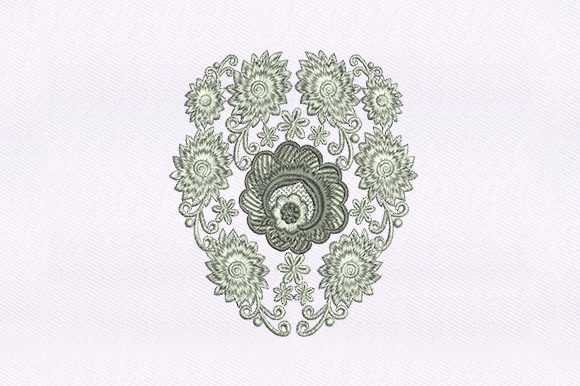
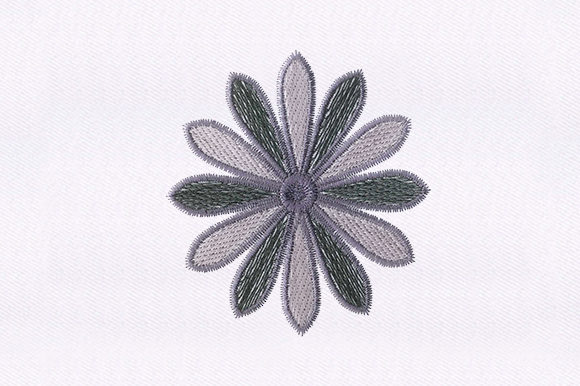
The Fanned out Flower Design has a balanced, open layout that feels both organic and structured. It is not a dense, highly detailed botanical illustration. Instead, it reads as a soft, slightly stylized bloom with petals that spread outward in a natural fan shape. The mood is gentle but not childish, making it suitable for a wide range of products. It immediately struck me as a strong candidate for bedroom decor items, such as embroidered pillow covers, nursery wall art, or quilted throw pillows. The embroidery theme here is floral without being overly feminine, which gives it versatility for both gift items and personal projects.
The visual personality sits somewhere between modern farmhouse and soft cottagecore. It is not overly intricate, but it has enough detail to feel intentional. This is the kind of machine embroidery design that works beautifully on a tote bag design for a craft fair, or as a sweatshirt embroidery detail on a simple crewneck. Because the petals fan outward rather than clustering tightly, the design breathes. That openness means it will not feel heavy or overwhelming on smaller items, but it also holds its own as a centerpiece on larger surfaces.
Real Project Scenario: Embroidering a Custom Tote Bag
I decided to test the Fanned out Flower Design on a mid-weight canvas tote bag for a client who wanted a personalized gift for her mother-in-law. The client requested a soft, earthy color palette, so I chose warm terracotta and sage green thread colors against a natural beige fabric. The design stitched out smoothly in my test run on scrap fabric, but I made sure to check the stitch density before committing to the final project. The fill areas used a combination of satin stitch and running stitch details, which gave the petals a nice sheen without making the fabric pucker.
One thing I noticed immediately was that the embroidery file digitized well for medium-density stitching. The fill stitch areas were not overly packed, which meant the canvas did not distort even without a heavy stabilizer. I used a medium-weight tear-away stabilizer, and the design held its shape beautifully. The satin stitch borders around the petals gave it a clean, finished look that made the design pop against the fabric. My client was thrilled with the finished product, and I have since added this design to my rotation for custom tote bags, aprons, and even baby embroidery projects like receiving blankets.
How the Design Performs on Different Products
Over several weeks, I stitched the Fanned out Flower Design on a variety of surfaces to see how it adapted. Here is what I found:
- Custom apparel (sweatshirts, t-shirts, baby clothes): The design works well on medium-weight knits and cotton blends. On a sweatshirt embroidery project, the fan shape sat nicely on the chest or sleeve without feeling bulky. On baby clothes, the open layout meant the fabric stayed soft and flexible, which is critical for infant comfort.
- Home decor (pillow covers, tea towels, blankets): This is where the design truly excels. On a pillow cover, the fanned shape created a natural focal point. On a tea towel, it added an elegant touch without overwhelming the fabric. For blankets, the design worked well as a corner accent or center motif.
- Patches and caps: I tested it as an embroidered patch on twill fabric, and it held up well. The stitch density was appropriate for patch construction. On a cap, I had to be mindful of the curved surface, but the fan shape actually adapted better than I expected.
- Holiday and wedding gifts: I used the design for a set of personalized gifts including a linen apron and a small zipper pouch. The soft, organic feel of the flower made it feel gift-worthy without being too casual.
Where to Use This Design Carefully
No design is perfect for every situation, and the Fanned out Flower Design has a few considerations worth noting. If you are working with small hoop sizes, the design may require scaling down, which can affect the stitch density and detail clarity. I recommend testing it at your intended size before stitching a final product. On textured fabrics like heavy linen or bouclé, the open areas of the design can get lost, so I would pair it with a stable backing and possibly a layer of water-soluble stabilizer on top.
For stretchy fabric like jersey or ribbed knit, use a cut-away stabilizer to prevent distortion. The satin stitch elements need a stable base to maintain their crisp edges. On dark fabric, consider using a lighter thread color or a white underlay to keep the design visible. I also advise caution with layered garments where the design might sit over a seam or pocket. The fan shape is wide, so it needs a flat area to stitch cleanly.
If you are creating commercial embroidery products for resale, always test the design on your specific fabric and stabilizer combination. The digital embroidery file formats provided include 10O, ART, CND, DSB, DST, DSZ, EXP, HUS, JEF, PCS, PEC, PES, TAP, VIP, VP3, and XXX, which covers most commercial machines. But I always recommend confirming the format works with your machine before cutting fabric.
Visual Appeal, Product Value, and Customer Trust
In my experience, the Fanned out Flower Design adds a noticeable lift to handmade products. It has a clean, professional finish that makes items look like they came from a boutique rather than a home craft room. For Etsy sellers and small shop product creators, this design can help build customer trust because the stitching is consistent and the visual result is polished. I have used it in printable mockups for digital listings, and it photographs well. The design reads clearly in both full-color and monochrome previews, which is helpful for design assets and shop photography.
From a brand consistency standpoint, the design is neutral enough to work across multiple product lines. Whether you are making boutique branding items for a local shop or craft fair products for weekend markets, the fanned flower motif is approachable without being generic. It also has strong giftability—I have received positive feedback from recipients who appreciated the hand-embroidered quality. That kind of buyer engagement is valuable for small business owners looking to build repeat customers.
Practical Designer Notes Before You Stitch
Before you use the Fanned out Flower Design in a client project or for your own shop, here are a few steps I recommend:
- Test on scrap fabric first. Even if the design looks clean in the software, fabric behavior changes everything. Use the same fabric weight and stabilizer you plan to use for the final product.
- Check thread color contrast. The open areas of the design mean that the fabric color will show through. Make sure your thread colors stand out against the background. I tested it on both light and dark fabric, and the design reads better with moderate to high contrast.
- Review stitch density. The design uses a mix of satin stitch, fill stitch, and running stitch. If you scale it up or down significantly, the density may change. I recommend reviewing the stitch count and density in your embroidery software before stitching.
- Confirm hoop size. The design fits comfortably in a medium hoop, but always check the dimensions in your software. If you are using a small hoop size, test a scaled version first.
- Test in black and white mockups. This helps you see how the design reads without color distraction. It is especially useful for applique design planning or if you are creating digital product previews.
- Use proper stabilizer. For most woven fabrics, a medium-weight tear-away works well. For knits or stretchy fabrics, use cut-away. For caps or curved surfaces, use a stiff cut-away or a cap-specific stabilizer.
- Check licensing. The design is provided as a machine embroidery design in multiple formats, but you should confirm the license terms before selling finished items or using it as digital embroidery file assets in your shop. This is especially important for commercial embroidery projects and Etsy seller inventory.
- Inspect small details. The fan shape has some delicate points where the petals meet. Make sure your needle is sharp and your thread tension is correct to avoid skipped stitches or thread breaks.
Final Thoughts on the Fanned out Flower Design
After working with the Fanned out Flower Design across multiple projects, I can confidently say it is a versatile and reliable addition to any embroidery library. It is not a design that tries to do too much, and that is its strength. It knows what it is: a clean, open floral motif that works on everything from custom apparel to bedroom decor. The embroidery quality is consistent, the file formats are comprehensive, and the visual result is professional enough for both personal use and commercial sale.
If you are a craft business owner, handmade shop creator, or apparel decorator looking for a floral design that does not feel dated or overly complicated, this one is worth testing. It stitches well, adapts to multiple product types, and has the kind of timeless appeal that keeps customers coming back. As always, test it on your own fabric and machine setup before committing to a production run, but I think you will find that the Fanned out Flower Design earns a regular spot in your rotation.