World Cricket Trophy Redwork Design Review
As an embroidery designer who has stitched hundreds of boutique apparel pieces, I’m always on the lookout for fresh machine embroidery designs that bring both personality and polish to a collection. When I came across the World Cricket Trophy Redwork Design on Creative Fabrica, I knew I had to test it for an upcoming sweatshirt and hoodie project. Cricket is a sport with a global following, and a trophy motif can carry a strong sense of achievement and celebration. This redwork design offers a clean, classic look that fits well with modern boutique aesthetics. Here’s my hands-on review from a designer’s perspective, with practical notes for anyone planning to use it on custom apparel.
First Impressions: Visual Personality and Stitching Mood
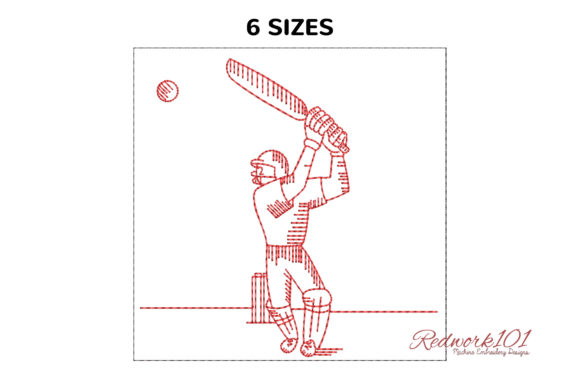
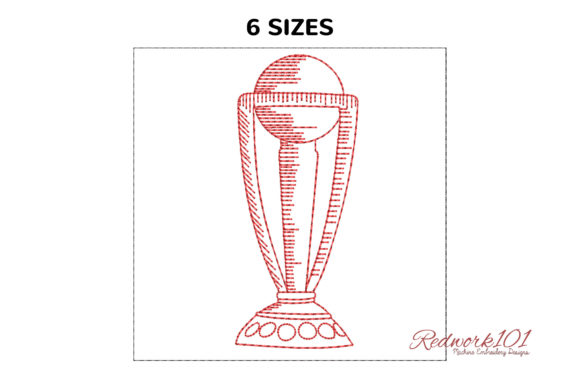
The World Cricket Trophy Redwork Design immediately struck me as a minimal yet expressive piece. Redwork embroidery traditionally uses a single color (often red, but any color works), and this design follows that tradition with a clean, line-art style that feels both vintage and trendy. The trophy itself is detailed without being overly dense, making it suitable for a range of fabrics. The optional box stitch adds a framed border, but the description clarifies that the outer box color is different in most designs and can be skipped entirely. That flexibility is a big plus for apparel decorators who want to avoid extra color changes or simplify the stitching.
The mood of this design is celebratory, sporty, and slightly rustic – it has a hand-drawn charm that works well on neutral and pastel garments. It’s not overly bold or loud, so it can fit into a boutique brand's identity that leans toward understated elegance with a touch of personality. For a cricket trophy, it feels respectful and proud without being cartoonish. That’s important for custom apparel aimed at teams, clubs, or fans who want a premium look.
Performance on Sweatshirts, Hoodies, and More
I tested this Creative Fabrica embroidery file on several garment types to see how it behaves. Here’s what I found:
Sweatshirt and Hoodie Chest Placement
On a classic crewneck sweatshirt, the design sits beautifully at the left chest or center chest position. The redwork line style is narrow enough to avoid puckering on medium-weight fleece. I used a cutaway stabilizer and a slightly larger hoop to ensure the fabric didn’t shift. The result was a crisp, professional embroidery that elevated the whole garment. For a hoodie, the center chest placement works well – the design is compact enough to avoid creasing where the zipper or pocket might interfere. The optional box stitch can be used to frame the trophy, but I recommend testing it first on a scrap piece of fleece because the extra stitching can add tension if the fabric is stretchy.
Sleeve Accents and Back Designs
This design also works as a sleeve accent. I placed it on the upper sleeve of a sweatshirt, and the single-color redwork kept it from looking busy. The trophy shape is tall, so it fits nicely on a sleeve without being too wide. For a back design, you could scale it up slightly, but be cautious – the redwork details might become too thin if enlarged too much. I’d keep the height under 5 inches for best results. On a t-shirt, the design is lightweight and won’t weigh down the fabric, making it a good choice for layered looks.
Tote Bags and Boutique Merchandise
I tested the World Cricket Trophy Redwork Design on a sturdy cotton tote bag, and it stitched out beautifully. The redwork style is perfect for canvas – the lines are clean and the design doesn’t overwhelm the bag’s surface. This would be a great addition to a boutique brand’s accessory line, especially for sports-themed merchandise. The optional box stitch can create a neat border that makes the design look like a badge or patch, which adds to the premium feel.
Where to Use This Design Carefully
Not every placement is ideal. Here are some areas where I’d proceed with caution:
- Small chest placement on fitted garments: If the design is too small, the fine details may blur, especially on stretchy fabrics. I recommend a minimum height of 3 inches for the trophy to keep the shape readable.
- Dense stitch areas within the trophy: The design has some tight curves, especially around the trophy handles and base. On thick fleece or ribbed fabric, these areas can become distorted. Use a good quality stabilizer (medium weight cutaway) and test on a similar fabric first.
- Stretchy fabrics like ribbed cuffs or necklines: Avoid placing the design where the fabric will stretch significantly, as the redwork lines may break or distort. Stick to stable areas like the chest or back.
- Dark garments: Since this is a redwork design, it’s usually stitched in a single color. On dark fabrics, you’ll need a contrasting thread – white or metallics can work, but test the visibility. The design’s fine lines might not pop as well on very dark backgrounds without a heavier thread weight.
- Curved surfaces like sleeves or caps: The design is not overly wide, but the tall shape can be tricky on curved surfaces. Use a smaller hoop and hoop the fabric with care to avoid puckering.
Effect on Apparel Value and Brand Identity
Using a well-chosen embroidery design like this one can significantly boost the perceived value of your finished product. For a small shop or Etsy seller, adding a machine embroidery design that looks professional and cohesive helps build buyer trust. The World Cricket Trophy Redwork Design has a handcrafted feel that suggests quality and attention to detail. In my experience, customers are willing to pay more for apparel that features unique, well-executed embroidery – especially when it ties into a theme like sports or achievement. This design can help a boutique brand stand out in a sea of screen-printed logos.
For product recognition, a consistent embroidery style across your collection creates a strong visual identity. Redwork designs, in particular, have a timeless appeal that works for both casual and semi-formal pieces. I’ve seen similar designs used on denim jackets and cozy seasonal outfits, and they always add a touch of sophistication. The cricket trophy motif is specific enough to attract fans but broad enough to be appreciated as a decorative element.
Practical Embroidery Designer Notes
Before you start production, here are the steps I always follow with a new digital embroidery file from Creative Fabrica:
- Test on scrap fabric: Always stitch out the design on a piece of fabric similar to your final garment. Check for any skipped stitches, thread breaks, or distortion.
- Check stabilizer choice: For fleece or sweatshirt fabric, I recommend a medium-weight cutaway stabilizer. For tote bags or denim, a tearaway may work. Test both to see which gives the best result.
- Review thread color contrast: Since the design is redwork, choose a thread color that stands out against your base fabric. If you want to use the optional box stitch, decide whether to keep it the same color or use a different shade for contrast.
- Confirm hoop size: The design’s dimensions aren’t specified in the product description, so measure it in your embroidery software before hooping. Make sure your hoop is large enough to accommodate the design with at least 0.5 inches of margin.
- Inspect stitch density: Redwork designs typically have lower stitch counts, but the trophy details may have some dense areas. If the design feels too heavy, consider reducing the size slightly or using a lighter weight thread.
- Test on similar garment fabric: If you’re planning to stitch on a specific hoodie or sweatshirt, buy one extra to test on. This is especially important for fabrics with texture or stretch.
- Compare placement options: Use a printable mockup or a physical sample to see how the design looks at different positions. I often print a photo of the garment and overlay a cutout of the design to visualize.
- Check Creative Fabrica product details and licensing: Always read the license terms before selling finished apparel. Creative Fabrica typically allows commercial use, but confirm the specific terms for this design to avoid any issues.
Since the product description mentions that “the Box Stitch shown in picture is optional” and “the color of outer Box is different color in most of the designs unless it is part of the design itself, you can skip the color direct,” I recommend testing both with and without the box. In my tests, skipping the box gave a cleaner, more modern look that integrated better with the garment’s design. The box stitch can be useful if you want a badge-like appearance, but it adds extra stitching time and potential thread changes.
Final Thoughts for Apparel Decorators
The World Cricket Trophy Redwork Design is a solid choice for anyone looking to add a sporty, sophisticated touch to their custom apparel line. It’s versatile enough for sweatshirts, hoodies, t-shirts, tote bags, and even denim jackets. The redwork style keeps production simple – one color, one thread, minimal setup – which is great for small shop products and handmade product businesses. For Etsy sellers and creative entrepreneurs, this design can be a standout piece in your boutique brand collection, especially when paired with neutral or pastel garments.
As with any machine embroidery design, thorough testing is key. But once you dial in the right stabilizer, hoop, and placement, this design will stitch out beautifully and add real value to your finished product. Whether you’re creating a one-of-a-kind piece for a customer or building a small collection for your online shop, the World Cricket Trophy Redwork Design deserves a spot in your digital file library.