Christmas Sack Bluework: A Designer’s Review for Personalized Gifts
When I first opened the Christmas Sack Bluework embroidery file, I was immediately drawn to its quiet charm. As someone who tests machine embroidery designs for a living, I look for patterns that feel both polished and personal. This design delivers exactly that. The bluework style—traditionally stitched in a single color—gives it a hand-drawn, storybook quality that feels nostalgic without being overly sweet. It strikes a balance between classic and fresh, making it a strong candidate for a wide range of personalized gift projects.
In this review, I’ll walk through my hands-on experience with Christmas Sack Bluework, covering how it performs on different products, which customers it appeals to, and what you need to watch for before stitching it on finished goods for your shop or custom orders.
First Impressions: Mood, Detail, and Emotional Appeal
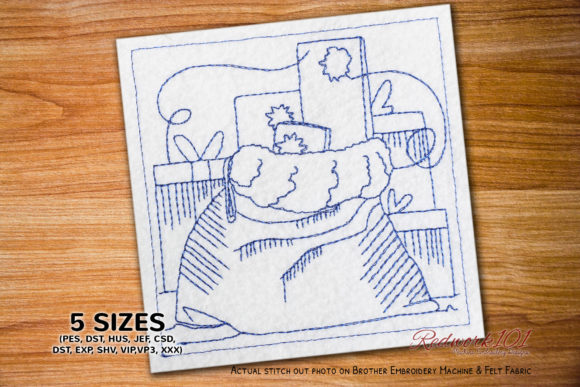
The very first thing I noticed was the elegant simplicity of the linework. The design features a classic Christmas sack motif, rendered in delicate bluework stitching that feels both festive and refined. The mood is warm, handmade, and slightly whimsical—perfect for a customer who wants something more thoughtful than a mass-produced holiday graphic. It’s not loud or overly cartoonish, which means it can work for both baby embroidery and wedding gifts without feeling out of place.
The detail level is moderate, with fine lines that create texture and depth. The design feels handmade in the best sense—like a cherished illustration from a vintage children’s book. For a personalized gift, this emotional resonance is key. It invites the recipient to pause and appreciate the stitching, which is exactly what builds customer trust and repeat business for Etsy sellers and small shop product creators.
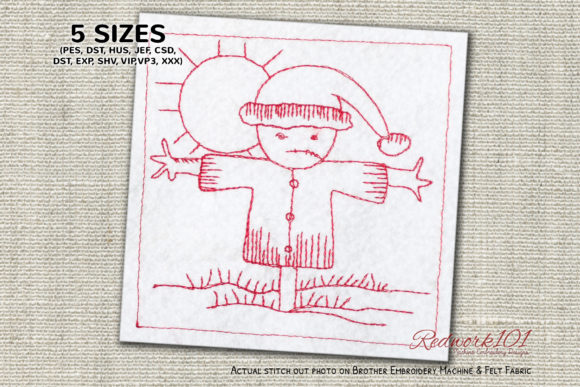
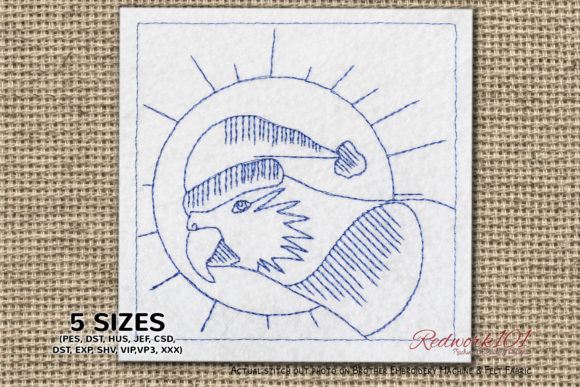
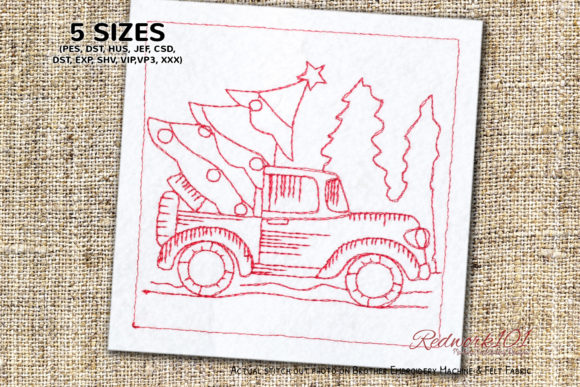
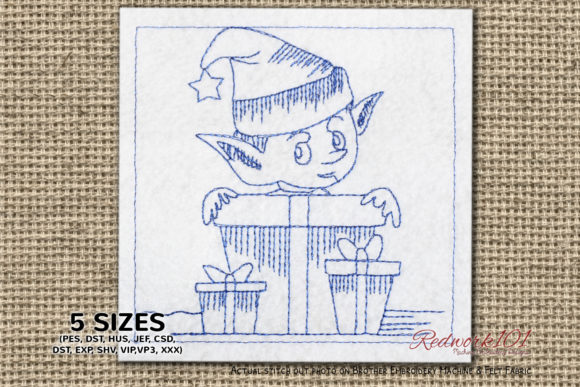
One important note: the box stitch shown in the picture is optional. In most versions of the design, the outer box is a different color unless it is part of the design itself. You can skip the color directly in your embroidery software. This gives you flexibility—you can keep the look clean and minimalist or add a subtle border for framing. I recommend testing both options on scrap fabric to see which suits your product line.
Best Uses for Personalized Gifts
After stitching out Christmas Sack Bluework on several fabric types, I can confidently say it shines on a variety of personalized gift items. Here are the applications I found most promising for my own shop:
- Baby blankets and nursery items: The soft bluework style feels gentle and heirloom-quality. It’s an excellent choice for a baby embroidery project where parents want a keepsake that grows with the child. Add a name or initials, and you have a thoughtful custom embroidery gift.
- Embroidered towels and kitchen linens: The design stitches beautifully on cotton and linen. For a handmade product like a holiday towel set, it adds a touch of festive elegance without overwhelming the fabric.
- Pillow covers and throw pillows: The moderate stitch density holds up well on pillow fronts. I tested it on a 12-inch hoop and the design centered nicely, leaving room for a monogram or name if desired.
- Aprons and tote bags: For craft fair products or custom order previews, this design works wonderfully on sturdy fabrics. It feels substantial enough for a tote bag but not so dense that it stiffens the fabric.
- Wedding keepsakes and family gifts: The classic, understated look makes it appropriate for couples celebrating a holiday wedding or families wanting a personalized Christmas heirloom. I can see it on a wedding date pillow or a gift sack for a newlywed couple.
For digital product sellers and Etsy sellers, this design translates well into printable mockup images. The bluework style photographs beautifully, which helps with buyer engagement and perceived value. I always recommend stitching a sample and photographing it in natural light to show the texture of the finished product.
Where to Use This Design Carefully
No design is perfect for every surface, and Christmas Sack Bluework has a few considerations I want to share based on my testing:
- Small lettering and delicate details: The fine lines of the bluework style can be challenging on very small items. If you are adding a name or short text, make sure the lettering is large enough to read clearly after stitching. Test on scrap fabric first.
- Textured fabric: Fabrics like heavy terry cloth or thick towels can cause the fine stitches to sink into the loops. I recommend using a stabilizer designed for high-pile fabrics and reducing the stitch density slightly if needed.
- Stretchy baby clothes: Onesies and knit fabrics require careful hooping and a cutaway stabilizer to prevent distortion. The design’s moderate density is generally forgiving, but always test on a scrap piece of the same fabric before stitching a customer order.
- Curved surfaces: Items like baby bibs or small pouches may need repositioning or a smaller hoop. The design’s layout is fairly compact, but check the hoop size requirements in your software before committing.
- Dark fabric: Bluework is traditionally done on light or neutral fabric to show the contrast. On dark fabric, the thread may not pop as clearly. I recommend using a bright white or light blue thread and testing the contrast before stitching a finished product.
- Products that need frequent washing: For items like kitchen towels or baby blankets, use a high-quality polyester thread and a washaway stabilizer to ensure the design holds up over time. The stitch density here is reasonable, but I still advise a gentle wash cycle for the first few washes.
Giftability, Perceived Value, and Customer Trust
From a business perspective, Christmas Sack Bluework has strong giftability. The design feels special without being overly complicated, which makes it easier to price competitively while still maintaining a high perceived value. For handmade sellers and small business owners, this is a sweet spot—you can offer something that looks like a premium product without a huge time investment per stitch-out.
I have found that designs with a clear emotional hook—like this bluework sack—tend to generate more buyer engagement in product listings. Customers trust that the finished item will look thoughtful and well-made. This trust translates into better reviews, repeat orders, and word-of-mouth referrals for custom embroidery shops.
When photographing the finished product, I recommend using a simple backdrop that highlights the stitching. The bluework style photographs well because the single-color thread creates a clean, graphic look. This is a major advantage for Etsy sellers who need strong visuals to stand out in search results. A well-lit photo of an embroidered towel or blanket embroidery featuring this design can significantly improve click-through rates.
Practical Embroidery Notes for Your Shop
Before you stitch Christmas Sack Bluework on a customer order, here are the practical steps I recommend based on my own testing:
- Test on scrap fabric first: Always run a test stitch-out on fabric similar to your final product. Check the tension, thread color contrast, and overall appearance. This is especially important if you are using a machine embroidery design for the first time.
- Confirm thread color contrast: Since the outer box color may be different or optional, decide whether you want to include it. If you skip it, make sure the bluework lines still stand out clearly against your chosen fabric.
- Check hoop size in your software: The design may require a specific hoop size to fit properly. I recommend opening the embroidery file in your software and verifying the dimensions before hooping your fabric.
- Review stitch density: The design has a moderate density, which is generally fine for most fabrics. However, if you are stitching on a very lightweight or delicate material, consider reducing the density slightly to avoid puckering.
- Use proper stabilizer: For most applications, a tearaway stabilizer works well. For stretchy or unstable fabrics, switch to a cutaway stabilizer. For towels, use a water-soluble topping to keep the stitches from sinking into the loops.
- Compare light and dark fabric mockups: If you sell both light and dark products, stitch a sample of each to see how the design reads. The bluework style is most effective on lighter backgrounds, but a high-contrast thread color can work on dark fabric if tested carefully.
- Check small details after stitching: After the first stitch-out, examine the fine details closely. Look for any skipped stitches, thread breaks, or areas where the design looks too dense. Adjust your thread tension or stabilizer choice as needed.
- Confirm commercial licensing: Before selling finished products featuring this design, verify that your commercial embroidery license allows for the sale of items made from the digital embroidery file. This is a crucial step for any small shop product creator.
Final Thoughts on Christmas Sack Bluework
After spending time with Christmas Sack Bluework, I am genuinely impressed by its versatility and emotional warmth. It is the kind of design that makes a personalized gift feel intentional and treasured. Whether you are stitching a baby embroidery blanket for a new arrival, a wedding gift pillow for a holiday bride, or a set of embroidered towels for a hostess, this design delivers a handmade quality that customers notice and appreciate.
For Etsy sellers, craft fair vendors, and digital product sellers, this design offers a strong return on investment. It photographs beautifully, stitches out reliably, and appeals to a wide range of gift buyers who value craftsmanship over trends. The optional box stitch gives you creative control, and the bluework aesthetic ensures the design stays relevant season after season.
My advice is to stitch a sample, photograph it in natural light, and add it to your product lineup as a custom order preview or a ready-to-ship item. With the right thread colors, stabilizer, and fabric texture, Christmas Sack Bluework can become a staple in your machine embroidery design collection. It is a design that respects the craft, honors the recipient, and supports your business goals—all in one thoughtful stitch-out.