Classic Telephone Embroidery Design for Etsy Sellers
When you run a small shop built around machine embroidery, every design you add to your collection needs to pull its weight. You are not just stitching for fun — you are stitching for profit, for repeat customers, and for products that photograph well and sell fast. I have been selling embroidered goods on Etsy for years, and I have learned to evaluate a new embroidery file the way a buyer would: with a practical eye for density, hoop size, color separation, and marketability. Recently I came across the Classic Telephone machine embroidery design on Creative Fabrica, and I want to share my honest assessment from the perspective of someone who has tested hundreds of designs for real products.
The Classic Telephone design is listed as an appliqué embroidery file, and it immediately caught my attention because vintage communication motifs have a steady fan base among home decor shoppers, gift buyers, and retro enthusiasts. Whether you are planning a small batch of kitchen towels, a line of personalized tote bags, or a set of embroidered pillows for a craft fair, this design offers a distinctive look that stands apart from the usual floral and script monograms. Let me walk you through what I consider before adding this Creative Fabrica embroidery design to my active product lineup.
First Impressions: Visual Personality and Market Appeal
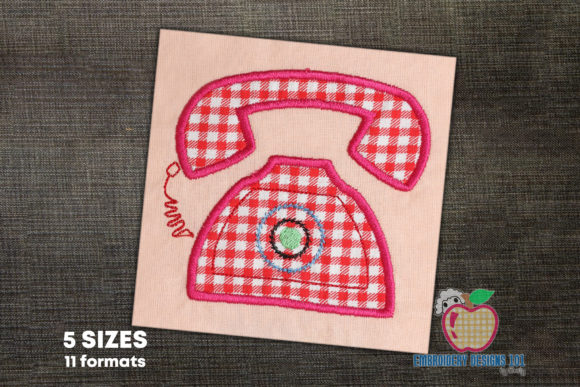
The Classic Telephone design evokes a vintage rotary phone, and that gives it a nostalgic, slightly whimsical personality. It is not overly cutesy, nor is it strictly minimalist — it sits somewhere in the middle, making it versatile enough for both playful and tasteful applications. The appliqué format suggests that the design uses fabric layers for the main shapes, with satin stitching around the edges, which typically results in a raised, textured finish that photographs beautifully. For an Etsy seller, that texture is a huge advantage because it adds perceived value and makes the finished product look more dimensional in listing photos.
I would describe the overall feel as classic with a touch of retro charm. It is not seasonal, so you can stitch it year-round without worrying about holiday timing. It appeals to buyers who appreciate unique decor, custom gifts with a vintage twist, and handmade items that tell a story. If you sell at craft fairs, this design is the kind of motif that stops people and makes them say, "Oh, my grandmother had one of those!" That emotional connection is exactly what drives impulse purchases at a booth.
Because the design is categorized under Backgrounds and Embroidery, it is likely intended to be used as a central motif or a focal appliqué piece. The description notes that steps are separated by color changes, which is a sign that the file was digitized with care — you can easily follow the sequence without guessing which thread color comes next. That matters when you are stitching multiple units for a small batch order and need consistency across every piece.
Product Applications: From Tote Bags to Home Decor
One of the first things I ask myself when I see a new design is: How many different products can I make with this? The Classic Telephone design is surprisingly versatile, and I have already planned several product ideas that would work well for both my Etsy shop and my in-person craft fair inventory.
- Embroidered tote bags — A classic canvas tote with a vintage telephone appliqué on the front panel is a fast seller for shoppers looking for a unique everyday bag. The design is large enough to make a statement but not so huge that it overwhelms a standard tote.
- Kitchen towels — A small to medium-sized telephone motif on a linen or cotton tea towel fits perfectly into the retro kitchen aesthetic that many home decor buyers love. Pair it with a coordinating thread color, and you have a gift-ready item in under an hour.
- Sweatshirts and custom apparel — Appliqué on a sweatshirt or a casual cotton jacket gives the garment a handmade, artisan feel. The telephone motif works well on the front chest area or as a back design for a bolder look.
- Embroidered pillows and home decor — A throw pillow with a vintage telephone centerpiece feels both nostalgic and stylish. This is the kind of item that sells well in boutique home decor shops and at holiday markets.
- Baby blankets and children's gifts — While not a typical baby motif, the classic telephone has a timeless quality that works for a vintage-themed nursery or as a personalized gift for a new parent who appreciates retro style.
- Embroidered patches — If you sell standalone patches, this design can be stitched onto twill or felt and backed with iron-on adhesive. Patches are a low-risk, high-margin product that you can test quickly.
- Aprons and kitchen linens — A telephone design on a chef apron or a hostess apron adds a playful, conversational element that buyers love for themselves or as gifts.
- Caps and accessories — A smaller version of the design could work on a beanie or a baseball cap, especially if you adjust the scale in your embroidery software.
For personalized gifts, you can combine the telephone motif with a name or a date in a complementary font, creating a custom item that feels intentional and premium. That is exactly the kind of listing that performs well on Etsy because it solves the "I need a unique gift" problem for shoppers.
Selling on Etsy: Making the Most of This Design
Etsy buyers are visual shoppers. They scroll through listings quickly, and they decide whether to click based on the thumbnail image alone. The Classic Telephone design has a distinct silhouette that reads well at small sizes, which is critical for listing photography. When you stitch out a sample and photograph it on a neutral background with good lighting, the shape of the telephone is immediately recognizable. That recognizability translates into higher click-through rates and more sales.
To maximize the commercial potential of this design, consider creating a printable mockup of your finished product before you stitch the first unit. You can use a digital mockup to test different product placements, thread colors, and fabric combinations. This saves you time and materials while still giving you a professional-looking image to use in your Etsy listings or social media previews. Once you have a mockup that feels right, stitch a physical sample, photograph it in natural light, and use that as your primary listing image. Buyers respond to real photos of handmade products because they convey authenticity and quality.
I also recommend using this design to create a small capsule collection. For example, you could list a telephone tote bag, a telephone tea towel, and a telephone throw pillow as separate listings but link them in your shop with matching tags and a cohesive photography style. That approach builds a brand identity and encourages repeat buyers to collect multiple items from your shop. The machine embroidery design becomes the thread that ties your product line together.
From a craft business standpoint, the Classic Telephone design also works well for small batch apparel and boutique merchandise. If you sell at local markets or through a subscription box, having a distinctive motif like this one helps your products stand out in a crowded field. The vintage telephone is not a generic design — it has character, and that character makes your products more memorable.
Practical Seller Notes: Before You Stitch
Before you start production, there are a few practical steps I always recommend for any new embroidery file. These steps save you from wasting materials and help you deliver a consistent, professional product to your customers.
- Create a sample stitch-out — Always stitch the design on the exact fabric you plan to use for your products. Appliqué designs behave differently on different base fabrics, and you need to see how the fabric layers sit, how the satin stitches cover the edges, and whether the design distorts. Do not skip this step.
- Photograph your sample — Take high-quality photos of your stitched sample on real fabric. These images become your best marketing assets. You can use them in your Etsy listings, on social media, and in your portfolio.
- Compare thread color options — The design description mentions that steps are separated by color changes, but you are not locked into the suggested colors. Try different thread combinations to see what fits your brand palette. A deep navy telephone on a cream background feels very different from a bright red telephone on a natural linen. Test a few options.
- Check readability at listing-thumbnail size — Zoom your sample photo down to the size of an Etsy thumbnail and see if the design is still clear. If the telephone shape becomes muddy or hard to recognize, you may need to adjust the scale or choose a higher-contrast thread color.
- Review stitch density — Appliqué designs typically have lower stitch counts than full-fill embroidery, but you should still confirm that the density is appropriate for your fabric. If the design feels too dense, it may pucker on lightweight fabrics. If it feels too sparse, the fabric layers may not be held securely.
- Confirm hoop size — The Classic Telephone design does not list a specific hoop size in the provided description, so you need to check the file dimensions on the Creative Fabrica product page before you commit. Make sure it fits your largest hoop, or plan to resize the design in your software if needed. Avoid resizing beyond 10 percent up or down to maintain stitch quality.
- Use appropriate stabilizer — For appliqué, I recommend a tear-away or cut-away stabilizer depending on your fabric. Stitch a test sample with your usual stabilizer to see if the edges stay clean and the fabric layers do not shift.
These might seem like basic steps, but I have seen too many sellers skip the sample phase and end up with a batch of products that do not meet their own standards. Taking the time to test properly is what separates a professional handmade product from a hobby project.
Commercial Value and Licensing Considerations
When you purchase a digital embroidery file from Creative Fabrica, you are buying a license to use that design for your own projects. The Creative Fabrica embroidery marketplace offers different licensing tiers, and it is your responsibility to check the specific terms for the Classic Telephone design before you sell finished products made with it. In general, most embroidery designs on Creative Fabrica include a commercial use license that allows you to sell the physical items you create, but you should always confirm the details on the product page. Do not assume anything — read the license agreement carefully.
If you plan to sell commercial embroidery products at scale, you may also want to keep a record of your purchase and the license terms in case a platform like Etsy asks for proof of usage rights. This is a simple precaution that protects your craft business and ensures you can continue selling without interruption.
For personalized gifts, the licensing is almost always straightforward — you buy the design, stitch it onto a product, and sell that product to a customer. Just avoid selling the digital file itself or distributing it to others, as that would violate the license agreement. The Classic Telephone design is meant to be used as a tool for your own production, not as a standalone digital product.
Final Thoughts on Adding Classic Telephone to Your Collection
After spending time evaluating the Classic Telephone design, I can see why it has a place in a well-rounded embroidery collection. It is not a trendy design that will fade in a few months — it has a classic, nostalgic appeal that resonates with a broad range of buyers. The appliqué format gives it a premium look and feel, and the color-separated steps make it easy to stitch consistently across multiple products.
For Etsy sellers who are looking for a design that photographs well, supports multiple product types, and appeals to gift shoppers and home decor enthusiasts alike, this is a solid choice. I would recommend testing it on a few different base fabrics and seeing where it performs best in your shop. The machine embroidery design market is full of options, but designs that combine vintage charm with practical appliqué construction are always worth a closer look.
Before you make your final decision, visit the Creative Fabrica product page for Classic Telephone and confirm the hoop size, file formats, and license terms for your specific needs. Once you have those details, stitch a sample, photograph it, and start planning your listings. With the right presentation, this design could become a steady seller in your shop for years to come.