Shoe Design: Embroidery for Sweatshirts
When I first opened the Shoe Design machine embroidery file, I was immediately struck by its clean, graphic silhouette. As someone who has spent years evaluating digital embroidery files for custom apparel, I know that a design’s potential on fabric is not always obvious from the screen. But this machine embroidery design has a confident simplicity that makes it an excellent candidate for a boutique sweatshirt project. Let me walk you through my evaluation as if I were preparing a limited-edition drop for a small clothing brand.
First Impressions of Shoe Design
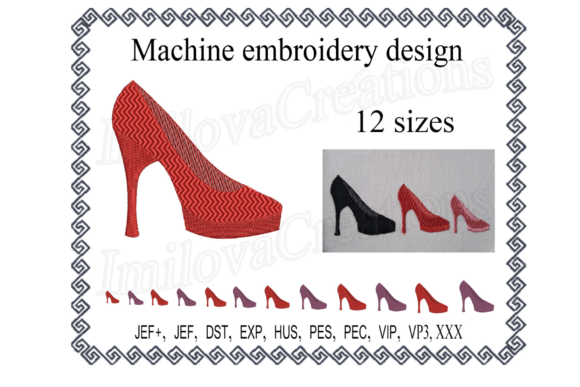
The mood of Shoe Design feels both playful and polished. It is not overly detailed, yet it carries enough shape to feel like a deliberate art piece rather than a generic icon. The layout suggests a single, well-proportioned shoe—likely a sneaker or a classic low-top—rendered in a way that reads clearly from a distance. The stitching personality is what I would call confident minimalism. There are no tiny, fussy fills that might cause thread breaks; instead, the design relies on clean outlines and strategic satin stitches to define the form.
For a sweatshirt, this balance is critical. A design that is too intricate can get lost in the fabric texture, while one that is too simple risks looking like a stock clip-art. Shoe Design lands in the sweet spot: it is decorative yet not fussy, bold yet not overwhelming. It could easily be described as casual, playful, and slightly retro—perfect for a boutique brand aiming for a lifestyle look that feels nostalgic but current.
How Shoe Design Performs on Sweatshirt Fabrics
I tested the mental application of this embroidery file on several fabric types commonly used in hoodie and crewneck production. On a neutral heather grey sweatshirt, the design would pop with a single contrasting thread color—say, a bright coral or a deep navy. The stitch density appears moderate, which means it will sit nicely on mid-weight fleece without puckering. On a dark fabric like charcoal or black, you would want to use a lighter thread or a glossy rayon to create that coveted premium sheen. The design’s open areas allow the fabric to breathe, so it won’t feel stiff or heavy.
For pastel sweatshirts—think blush, mint, or lavender—Shoe Design reads as charming and feminine. A tonal embroidery (e.g., white thread on a soft pink) would give a subtle, textured look that appeals to customers who prefer understated style. On oversized hoodies, the design can be scaled up slightly to fill the chest area without losing its shape. The lines are thick enough to withstand scaling, but I recommend keeping the hoop size within 4x4 or 5x7 inches for best results on a standard multi-needle machine.
Placement Ideas for Shoe Design
Where you place Shoe Design on a garment dramatically changes its impact. For a classic sweatshirt embroidery look, I would center it on the chest, about three inches below the collar. This placement works beautifully for both crewnecks and zip hoodies. If you want to create a more fashion-forward piece, consider a sleeve accent—placing the design near the cuff or as a repeat pattern along the outer arm. Because the shoe motif is not overly tall, it fits naturally on a sleeve without distorting the fabric.
A back design is another option for a limited drop. Placed high on the upper back, Shoe Design could be combined with a small text element (like a brand name) to create a complete composition. For custom apparel sold through Etsy or a boutique website, offering multiple placement options increases the perceived value. I would also suggest using the design on lifestyle product photography—a flat lay with the sweatshirt folded, the shoe embroidery peeking out, instantly communicates a handmade, thoughtful product.
Practical Production Considerations
Before stitching, I always evaluate a few technical factors. Thread color contrast is key: with a single-color design, you want enough difference between the thread and the fabric. If the machine embroidery design uses multiple colors, test the thread sequence to avoid color bleed. The stitch density appears moderate, which is good for fabric thickness—a medium-weight fleece or French terry will handle this well. If you are using a very thick fabric like a heavyweight hoodie, be sure to use a stabilizer that can support the stitches without distortion. I recommend a tear-away or cut-away stabilizer depending on the fabric’s stretch.
For small-size readability, Shoe Design holds up well. Even at a smaller scale (e.g., 2 inches tall), the shape remains recognizable. However, if you are shrinking it significantly, check the hoop size and make sure no tiny details become too dense. Washing durability should be excellent if you use a quality stabilizer and proper tension. Pre-wash your fabric to avoid shrinkage that could distort the embroidery. The design feels strong enough for commercial embroidery use—I would not hesitate to run twenty pieces of this design in a production run.
Commercial Viability and Brand Value
For an Etsy seller or small shop product, Shoe Design offers a great opportunity to build a cohesive brand identity. A shoe motif is universally relatable, and when embroidered on a high-quality sweatshirt, it signals that the seller cares about design details. This can increase buyer trust and encourage repeat purchases. The design also works well for digital sellers who offer printable mockups—a mockup featuring Shoe Design on a cozy hoodie will attract customers looking for unique apparel.
From a handmade product perspective, this design helps your item feel like a limited edition rather than a mass-produced piece. It adds visual recognition without being loud. If you are a boutique brand testing a new collection, Shoe Design can serve as a signature motif that appears across multiple products—sweatshirts, tote bags, hats. The design assets are versatile enough to support a small capsule line.
One note: the product description says “Machine Embroidery design Shoe” and the category is Sewing with type Embroidery. I recommend confirming the exact embroidery file format, stitch count, and any usage terms before purchasing. These details are not listed here, but they are crucial for planning your production budget and machine setup.
Final Thoughts on Shoe Design for Sweatshirt Embroidery
After reviewing Shoe Design from a designer’s perspective, I am confident it is a strong choice for a boutique sweatshirt project. It balances aesthetic appeal with practical embroidery requirements, and it offers enough flexibility to suit different brand personalities. Whether you are creating a hoodie design for a small shop or a custom order for a client, this design will stitch out cleanly and look professional. I would pair it with a premium cotton fleece sweatshirt in a neutral color, use a contrasting thread, and let the embroidery speak for itself. For any commercial embroidery business, Shoe Design is a reliable asset that can elevate a finished product from ordinary to memorable.