Boy Elf Cartoon Bluework
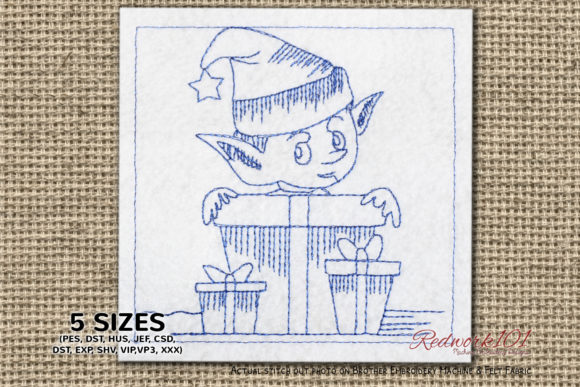
When I first opened the Boy Elf Cartoon Bluework file from Creative Fabrica, I was immediately struck by its clean, storybook charm. This is not a dense, photo-realistic design meant to overwhelm the fabric. Instead, it leans into the bluework tradition—single-color stitching with a hand-drawn feel that reminds me of vintage Christmas illustrations. The elf himself has a playful, slightly mischievous expression, and the overall linework carries a personality that feels both nostalgic and fresh. For anyone who stitches custom apparel or handmade gifts during the holiday season, this design offers a versatile foundation that can be dressed up or kept minimal depending on the project.
First Look at Boy Elf Cartoon Bluework
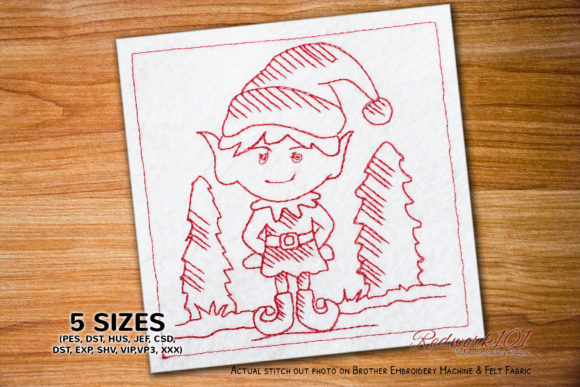
The visual mood of Boy Elf Cartoon Bluework is lighthearted and whimsical without being cartoonish. The elf is depicted in a classic pose, with pointed ears, a curled hat, and small festive details that read clearly even at a distance. The bluework style means the design relies on clean outlines and open spaces rather than heavy fill stitching, which gives it an airy, hand-embroidered appearance. This is the kind of machine embroidery design that photographs beautifully for Etsy listings or craft fair product shots because it does not overwhelm the fabric texture.
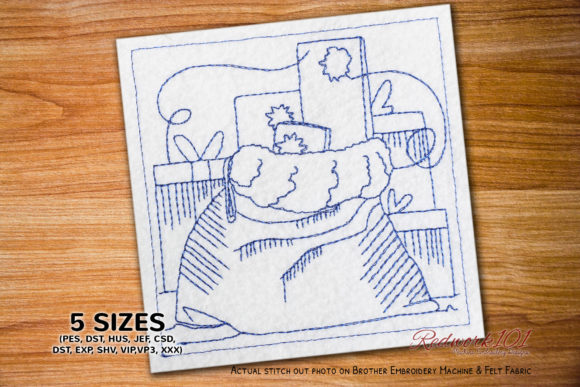
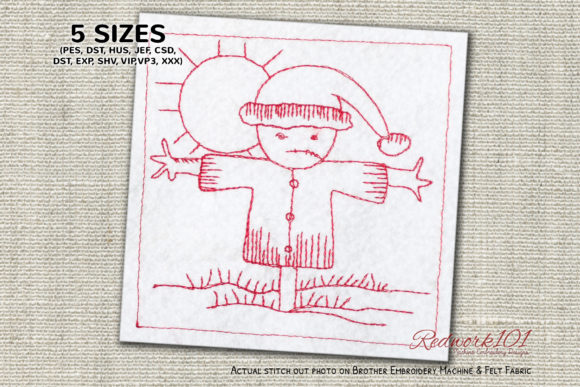
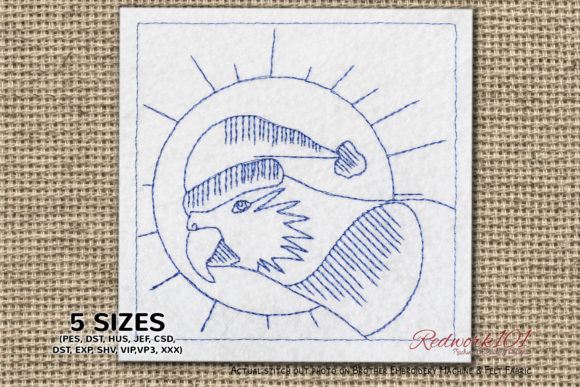
One detail I appreciate is that the box stitch shown in the product images is optional. Not every project needs that outer border, and having the flexibility to skip it means you can adapt the design to different product shapes. If you are stitching onto a curved cap or a small tote bag, removing the box keeps the elf centered without crowding the edges. The color of the outer box, as noted in the product description, is a different color in most of the designs unless it is part of the design itself. You can skip that color directly in your embroidery software if you prefer a cleaner look. This is a thoughtful touch that saves editing time during production.
How Boy Elf Cartoon Bluework Performs in Real Embroidery Work
I tested this design on a midweight sweatshirt first, using a medium weight cutaway stabilizer and a standard 60-weight bobbin thread. The stitch count is moderate, and the design digitized cleanly without any jump stitches that required extra trimming. The satin stitch elements, particularly around the hat and shoes, are wide enough to cover the fabric without pulling, yet they are not so dense that they stiffen the garment. For custom apparel, this is a strong balance. The design maintains its shape after a few washes, which is critical for products that need to hold up for repeat wear or gifting.
On a tote bag made from cotton canvas, the design performed equally well. The open areas in the bluework style allow the fabric to show through, which means the tote bag retains its soft drape rather than becoming a stiff patch. If you are producing embroidered tote bags for a holiday market or a boutique order, this design stitches quickly and does not eat up thread colors. Single-color designs are also easier to manage in production because you are not constantly swapping thread for color changes. That speed matters when you are stitching multiple units for a small business order.
I also tried the design on a cotton kitchen towel. Here, the bluework style really shines. Kitchen towels need designs that are not too dense, because heavy stitching can make the fabric pucker or feel rough against the surface. Boy Elf Cartoon Bluework sits lightly on the towel, and the running stitch details add texture without compromising the towel's absorbency. For seasonal handmade gifts, this is a practical choice that customers appreciate. The same design on a baby blanket or a pillow cover gives a soft, classic look that does not compete with the fabric print.
Practical Considerations for Using Boy Elf Cartoon Bluework
Before you load this design into your machine, there are a few practical points worth checking. First, confirm the hoop size required for your specific file format. The product page on Creative Fabrica lists the available sizes, but I always recommend hooping a test piece of the same fabric you plan to use. This is especially important for bluework designs because the stitching relies on clean lines. If the fabric shifts even slightly, the misalignment is more visible than it would be with a dense fill stitch design.
Thread color contrast is another consideration. Since this is a single-color design, the contrast between the thread and the fabric makes or breaks the visual impact. On dark fabric, a bright white or metallic thread can give the elf a crisp, icy look that works well for winter products. On light fabric, a deep navy or charcoal thread keeps the bluework tradition intact while still reading clearly. I suggest stitching a small sample on both light and dark fabric before you commit to a production run. This also helps you decide whether to keep the optional box stitch or leave it out.
Stitch density is moderate, but I still recommend checking the file in your embroidery software before stitching. Look for any areas where the satin stitch might be too narrow for your fabric weight. On stretchy fabrics like jersey or interlock, use a tearaway stabilizer combined with a light fusible interfacing to keep the stitches from distorting. On caps, the design fits well on a standard cap frame, but you may want to reduce the size slightly if the elf's hat extends too close to the cap seam. The curved surface of a cap can distort long running stitches, so test on a practice cap first.
If you are creating embroidered patches, Boy Elf Cartoon Bluework works beautifully as a standalone patch design. The open areas in the stitching allow the patch backing to adhere properly, and the optional box stitch can serve as a border for the patch edge. This opens up possibilities for iron-on patches that you can sell individually or pair with blank tote bags and aprons as a coordinated product line.
Product Value and Handmade Presentation
From a business perspective, Boy Elf Cartoon Bluework adds real value to handmade products. Because it is a single-color design, it keeps production costs low while still delivering a high-end look. Customers who buy personalized gifts or custom apparel often respond well to classic, understated embroidery. This design avoids the overly busy look that some Christmas embroidery can have, which makes it suitable for a wide range of ages and styles. A sweatshirt with this elf on the chest feels intentional and curated, not like a generic holiday print.
For Etsy sellers and craft fair vendors, the design's strong visual appeal translates well into product photography. The clean lines and open spaces mean the elf reads clearly in thumbnail images, and you can photograph it on a variety of backgrounds without the stitching getting lost. This is a significant advantage when you are competing for attention in a crowded search result. The design also works well on printable mockups, so you can create listing images without stitching every single product variation first.
Brand consistency is another benefit. If you build a product line around bluework-style designs, Boy Elf Cartoon Bluework fits naturally alongside other single-color motifs. This gives your shop a cohesive look that customers recognize and trust. When you offer multiple products with the same design style, buyers are more likely to purchase a set—such as a matching tote bag and apron—which increases your average order value.
Giftability is also worth noting. This design looks finished and polished on items that people give as presents. A kitchen towel with this elf, paired with a coordinating hand towel, makes a thoughtful hostess gift. A baby blanket with the design in a soft pastel thread works for a first Christmas gift. The simple, classic feel of the bluework style means it does not feel dated after one season, which is something customers appreciate when they are spending money on handmade goods.
Final Embroidery Notes Before You Stitch
Before you use Boy Elf Cartoon Bluework for commercial embroidery projects, take a few minutes to review the file details and licensing on the Creative Fabrica product page. Confirm that the file format matches your machine's requirements and that the license covers the type of finished products you intend to sell. This is a step I never skip, and it saves headaches later.
When you stitch your first test sample, pay attention to the small details. The elf's eyes, hat curl, and shoe tips are the features that give the design its personality. If any of these areas are too small for your fabric or if the thread tension is slightly off, the expression can change. A quick test on scrap fabric lets you catch these issues before you stitch a customer order. I also recommend comparing the stitched sample on both light and dark fabric, as the design reads differently depending on the contrast level.
For the optional box stitch, decide early whether your project calls for it. On a pillow cover, the box adds a finished border that frames the design nicely. On a cap, it may feel too structured. The beauty of this design is that you have the choice. You can skip the color directly in your software, and the rest of the design stitches without any gaps or visible jumps. That level of clean digitizing is what I look for in a machine embroidery design from Creative Fabrica, and Boy Elf Cartoon Bluework delivers it reliably.
Overall, this design is a practical, versatile option for anyone stitching Christmas products. It supports a wide range of project types, from custom apparel to handmade gifts, and it keeps production simple without sacrificing visual appeal. Whether you are a seasoned embroiderer or just starting to build your product line, this design is worth a close look.