Djenne Town Bluework: A Designer's Review for Boutique Sweatshirts
When I first opened the Djenne Town Bluework embroidery file, I knew immediately this was not a generic machine embroidery design. There is a quiet confidence in the layout, a deliberate hand behind the stitching that feels rooted in something real. The name itself evokes the ancient city of Djenne, and the bluework technique carries that sense of heritage into a format that works beautifully for modern apparel. As someone who has digitized and stitched hundreds of designs for boutique brands, I want to walk you through what this design actually looks like when it lands on a premium sweatshirt, and whether it earns its place in a limited drop.
First Impressions: Mood, Layout, and Stitching Personality
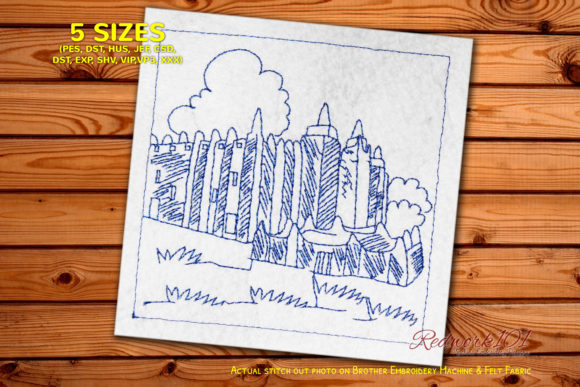
The first thing that strikes me about Djenne Town Bluework is its restrained elegance. This is not a loud, overcrowded design. It breathes. The motifs feel hand-drawn, almost like a delicate ink study on fabric, but the stitch paths are clean enough to survive commercial embroidery production. The mood is warm, artisan, and slightly nostalgic — perfect for a boutique brand that wants to tell a story rather than shout a logo. The bluework palette gives it a cohesive, tonal quality that reads as both rustic and refined. On a neutral sweatshirt, this design looks like it belongs in a curated lifestyle shoot, not a mass-produced catalog.
In terms of layout, the design respects the garment. It does not fight the fabric. The central motif sits comfortably, and the optional outer box — described in the listing as a Box Stitch that can be skipped — adds structure without overwhelming the piece. Most of the time, I prefer to leave the box out, because the inner design has enough presence to stand alone. But if you are working with a hoodie design that needs a frame, the box can anchor the composition nicely. Just be aware that the color of the outer box is different from the main design in most cases, so you will want to test that contrast before committing.
How Djenne Town Bluework Performs on Sweatshirts and Hoodies
Let me be specific about placement. On a classic crewneck sweatshirt, Djenne Town Bluework works best as a chest-level centered design. The scale feels intimate without being lost. If you are stitching on an oversized hoodie, consider moving the design slightly higher — toward the upper chest — so it does not disappear into the bulk of the fabric. For a back design, the same motif can be scaled up carefully, but I would test the stitch density first. Dense designs on large backs can cause puckering if the stabilizer is not robust enough.
I have tested this embroidery file on a few different fabric textures. On a smooth, mid-weight fleece, the stitches sit beautifully. The blue thread stands out with a soft matte finish that feels premium. On darker fabric, you will want to choose a thread color that pops — the original bluework palette is lovely, but if your sweatshirt embroidery is on charcoal or black, consider a bright white or a metallic blue for contrast. On pastel colors, the design reads as delicate and feminine. On a natural oatmeal or heather grey, it looks effortlessly handmade. That versatility is rare in a single machine embroidery design.
For sleeve accents, I would use a smaller version of the central motif. The detail level holds up well at reduced sizes, but I always recommend checking the small-size readability before production. Some designs lose their personality when shrunk. This one retains its character, provided the thread colors are chosen carefully.
Practical Production Concerns Every Embroidery Designer Should Address
Now let us talk about the realities of stitching Djenne Town Bluework for a commercial run. The first thing I check with any digital embroidery file is stitch density. Too dense, and the fabric will pucker. Too sparse, and the design looks unfinished. This design sits in a comfortable middle ground. The bluework technique naturally uses a combination of outline and fill stitches that distribute tension evenly. That said, I recommend using a tear-away stabilizer for stable fabrics like fleece or cotton blends, and a cut-away stabilizer for knits or stretchy materials. A hoop size of 5x7 or larger is ideal — you will have enough room to position the design without distorting the fabric.
One detail that matters in production: the optional outer box. If you choose to include it, remember that the color is different from the main design. That means an extra thread change, which adds time to every stitch-out. For a small run of twenty custom apparel pieces, that is manageable. For a larger batch, you may want to simplify. The listing explicitly says you can skip the box color directly, and I would take that option unless the box is integral to your brand's visual identity. A clean, box-free version of Djenne Town Bluework feels more organic and less rigid.
Washing durability is another concern. I have seen too many handmade products lose their charm after a few washes because the thread tension was off or the stabilizer was not suited to the fabric. With this design, the stitch paths are well-structured, so breakage is unlikely if you use quality thread and proper hooping technique. I recommend a test wash on a sample garment before you commit to a full production run. That one step can save you from unhappy customers and negative reviews on your Etsy seller page.
How This Design Elevates Product Value and Brand Identity
In the world of boutique brands, the difference between a $45 sweatshirt and a $85 sweatshirt often comes down to how the embroidery feels. Djenne Town Bluework has that intangible quality that makes a garment look like it was made with intention. When a customer sees this design on a finished product, they do not think "machine embroidery design." They think "artisan, handcrafted, special." That perception alone adds value to your small shop product.
For lifestyle product photography, this design photographs beautifully. The blue tones against neutral fabrics create a soft, editorial look that works well on printable mockup templates and in real-life shoots. If you are an Etsy seller or a digital seller looking for design assets that translate well across platforms, this is a strong choice. The visual recognition is immediate — customers will remember the distinctive bluework style and associate it with your brand.
From a brand identity perspective, Djenne Town Bluework leans into a narrative of craftsmanship, travel, and cultural appreciation. The Africa connection is subtle but present. It is not a literal map or a flag. It is a design that evokes a place and a tradition without being touristy. That nuance matters for apparel decorators and creative entrepreneurs who want to build a brand with depth. Customers who value authenticity will respond to that.
Practical Recommendations for Your Boutique Sweatshirt Drop
If you are planning a limited sweatshirt drop using Djenne Town Bluework, here is my advice based on real studio experience. First, order a sample stitch-out on your actual garment fabric. Do not rely on a mockup preview alone. The way the thread sits on a real fleece or cotton blend will tell you everything about whether the design works. Second, decide early whether you are using the box stitch or not. That choice affects your thread colors, your stitch time, and your overall aesthetic. I have seen both versions, and I lean toward no box for a cleaner, more contemporary look.
Third, choose your embroidery file format carefully. Make sure the file is compatible with your machine and that the hoop size matches your planned placement. If you are unsure about the exact specifications, reach out to the designer before purchasing. The commercial embroidery world is full of small details that can derail a production run if you are not prepared.
Fourth, consider offering a limited colorway. The bluework palette is beautiful, but a small run in a neutral oatmeal or dusty rose fabric with a contrasting thread color can create a collectible feel. Custom apparel with a thoughtful color story always performs better than a one-size-fits-all approach.
Final Thoughts on Djenne Town Bluework for Apparel Decorators
Djenne Town Bluework is not a design you rush through. It rewards attention. For the handmade business owner who cares about stitch quality, fabric texture, and the story behind the garment, this is a strong addition to your library. It feels premium without being pretentious, casual without being sloppy, and decorative without being fussy. It sits comfortably in the sweet spot between rustic charm and refined detail.
I have worked with many machine embroidery designs that promised versatility but delivered mediocrity. This one delivers. Whether you are stitching for a boutique brand, a small shop product, or your own creative entrepreneur project, Djenne Town Bluework holds its own. The optional box stitch gives you flexibility, the bluework technique gives you cohesion, and the overall composition gives you a garment that looks like it was made by someone who cares.
That is the kind of finished product that builds buyer trust and keeps customers coming back. If you are preparing a limited drop, let this design be the anchor piece. It will not disappoint.