Monkey Cap Design: A Hands-On Embroidery Review
When I first opened the Monkey Cap Design file, I was immediately struck by how much personality it carries without being overly busy. This is a machine embroidery design that knows exactly what it wants to be: playful, recognisable, and versatile enough to work across a wide range of handmade products. As someone who has tested hundreds of embroidery files for both personal projects and client work, I can tell you that the best designs are the ones that feel like they already belong on a finished product. This one does.
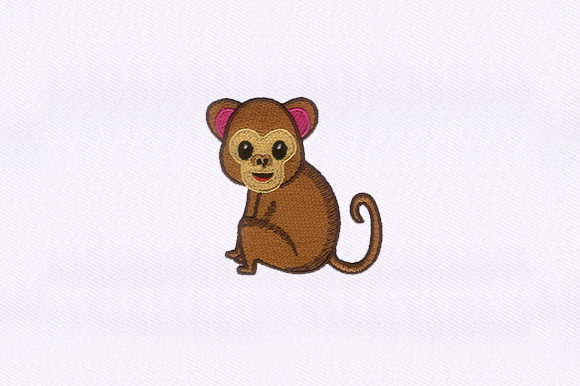
The design captures a monkey wearing a cap, and the visual mood is lighthearted without being cartoonish. The silhouette is clear, the proportions are well balanced, and the detail level sits right in that sweet spot where it stitches out cleanly but still holds enough character to catch a customer’s eye. Whether you are an Etsy seller building a product line or a craft business owner testing new design assets, this embroidery file deserves a serious look.
First Impressions and Visual Personality
The first thing I noticed was how the cap gives the monkey a distinct, almost friendly attitude. It is not a generic animal outline. It feels like a little character, which makes it a natural fit for children’s items, baby embroidery, and even playful accessories for adults. The shape is compact, and the layout does not waste space. That matters when you are working with limited hoop sizes or trying to position a design on a small garment like a baby onesie or a cap front.
In terms of the Animals category, this design stands out because it avoids the trap of being too cutesy or too detailed. It lands somewhere in the middle, which means it can work for both a boutique baby gift and a casual custom apparel order. The cap adds a layer of personality that separates it from a standard animal silhouette, and that small detail can make a big difference in how a finished product is perceived by a buyer.
A Real Case Scenario: Embroidering a Custom Tote Bag
Let me walk you through a real project I recently prepared using the Monkey Cap Design. I was working on a small batch of custom tote bags for a local shop that wanted something fun but not overly childish. The bags were natural cotton canvas, medium weight, and I chose a medium hoop size that comfortably accommodated the design.
I tested the design on scrap fabric first, which is a step I never skip. The stitch density felt reasonable. The satin stitch areas, particularly around the cap brim and the monkey’s face, were smooth and did not pull the fabric. The fill stitch in the body of the monkey was even, and the running stitch details added just enough definition without creating bulk. I used a medium-weight cutaway stabiliser, and the design held its shape beautifully.
After stitching a few bags, I could already picture how this design would look on a sweatshirt, a pillow cover, or even a small embroidered patch. The tote bag example worked well because the design’s size and layout matched the flat surface area. The caps on the monkeys felt natural, not forced, and the overall look was clean enough to appeal to both gift buyers and people looking for a unique everyday bag.
Where the Design Performs Best
Based on my testing, the Monkey Cap Design is a strong candidate for several product types. It is not limited to one category, and that flexibility is valuable for anyone running a small shop or selling digital embroidery files.
- Custom apparel: Sweatshirts, t-shirts, and baby clothes are natural fits. The design sits well on chest and sleeve placements.
- Accessories: Caps, beanies, and tote bags benefit from the compact shape and clear visual focus.
- Home decor: Pillow covers, tea towels, and small blankets take on a playful, handmade feel with this design.
- Gifts: Holiday gifts, baby shower presents, and personalised items for children feel more thoughtful with a character-driven design like this.
- Patches: The design’s clean edges and balanced stitch density make it a good candidate for embroidered patches that can be ironed or sewn onto backpacks, jackets, or bags.
- Boutique branding: Small businesses that want a friendly, approachable mascot or logo element could use this design as part of their product line.
- Digital products: If you sell design assets or printable mockups, this file previews well and looks professional in product photos.
In every case, the embroidery file format availability is broad, which is always a plus for designers who work across different machines. The file formats listed include 10O, ART, CND, DSB, DST, DSZ, EXP, HUS, JEF, PCS, PEC, PES, TAP, VIP, VP3, and XXX. That covers most major machine brands, so you should be able to load it without conversion headaches. Still, I always recommend checking your specific machine compatibility and hoop size requirements before committing to a large production run.
Where to Use This Design Carefully
No design is perfect for every situation, and the Monkey Cap Design has a few considerations that are worth noting before you stitch it onto a final product.
- Small hoop sizes: If you are working with a very small hoop, make sure the design fits comfortably. The cap detail and the monkey’s face need enough space to stitch clearly. Squeezing it into a tiny area may cause the satin stitch to lose definition.
- Thin or stretchy fabric: Lightweight knits and stretchy materials require extra care. Use a stabiliser that controls movement, and test the design on a sample before stitching a finished garment. The fill stitch areas can pull if the fabric is not supported properly.
- Dark fabric backgrounds: The design relies on clear contrast between the monkey, the cap, and the background. On very dark fabric, check that your thread colours will stand out. A light or bright thread palette works best here.
- Curved surfaces like caps: If you are stitching this design onto a curved cap front, test the placement and hoop alignment. The design is compact enough to work, but curved surfaces can distort the shape if the fabric is not hooped evenly.
- Dense stitch areas: While the overall stitch density is reasonable, any dense area can cause issues on delicate fabrics. Review the stitch count and density before stitching on silk, fine linen, or thin polyester blends.
- Frequent washing: For products that will be washed often, like kitchen towels or baby blankets, use a high-quality stabiliser and consider a wash test. The design should hold up well, but it is always better to confirm before selling.
How This Design Affects Product Value and Customer Trust
In my experience, the difference between a product that sells and one that sits on a shelf often comes down to how the embroidery looks in person. Customers notice clarity, thread tension, and whether the design feels like it was made with care. The Monkey Cap Design has a clean, professional look when stitched correctly. The satin stitch is smooth, the fill stitch is even, and the overall impression is that the finished product was made by someone who knows what they are doing.
For an Etsy seller or a small shop owner, that translates directly into customer trust. A well-executed embroidered item feels premium, even if it is a playful design. Buyers are more likely to leave positive reviews, share photos, and return for future purchases when the embroidery quality is consistent.
The design also works well for gift-giving. A personalised baby gift or a holiday gift with this monkey motif feels thoughtful and handmade, not mass-produced. That emotional connection is exactly what drives repeat business in the handmade product space.
From a brand consistency standpoint, if you sell multiple animal-themed designs, this one fits alongside others without clashing. The visual language is friendly but not loud, which makes it a safe addition to a product line that includes both playful and subtle pieces.
Practical Designer Notes Before You Stitch
Before you load the Monkey Cap Design into your machine and start production, here are a few practical notes based on my own testing workflow.
- Test on scrap fabric first. This is non-negotiable. Every fabric behaves differently, and a quick test saves you from ruining a finished product.
- Check thread colour contrast. The cap and the monkey’s face should be clearly distinguishable. If the colours blend together, the design loses its impact.
- Review stitch density. If the density feels too high for your fabric, consider using a lighter stabiliser or adjusting the design in your software if possible.
- Confirm hoop size. Make sure the design fits within your hoop’s stitching area. I always check this before I start a batch.
- Inspect small details. The cap brim and facial features are where the design shines. If those details are not stitching cleanly, troubleshoot your needle, thread, and stabiliser combination.
- Test in black and white mockups. Before stitching, I often preview the design in a monochrome view to see if the contrast and shape hold up without colour.
- Compare light and dark fabric backgrounds. If you plan to sell products on both light and dark fabrics, test the design on both. The thread colours may need to shift depending on the base fabric.
- Use proper stabiliser. For most fabrics, a medium-weight cutaway stabiliser works well. For stretchy or thin fabrics, consider a tearaway or a combination stabiliser.
- Confirm licensing. Before selling finished products or digital files, review the license terms that came with the design. Some embroidery files allow commercial use, while others require a separate license. Always confirm before you list a product.
Final Thoughts on the Monkey Cap Design
The Monkey Cap Design is a solid choice for anyone who wants a playful, well-structured animal embroidery file that works across a variety of handmade products. It is not a design that relies on gimmicks or extreme detail. Instead, it delivers a clean, character-driven look that stitches out reliably and appeals to a wide audience. Whether you are preparing a tote bag for a small shop, a custom sweatshirt for a client, or a baby gift for a friend, this design holds its own.
For craft business owners, Etsy sellers, and apparel decorators, the key is to test it on your specific fabric and confirm your machine settings before scaling up. The design is versatile enough to fit into many product categories, but like any embroidery file, it performs best when the preparation is thorough. If you are looking for a dependable animal design that adds personality without compromising quality, this one is worth adding to your collection.